
Born in Papari in 1810: A Visionary Ahead of Her Time
Before Simone de Beauvoir or Virginia Woolf, Dionísia Gonçalves Pinto was born in 1810 on Sítio Floresta in what was then called Papari (renamed in 1948 in her honor as Nísia Floresta). Defying 19th-century patriarchal norms, she adopted the pen name Nísia Floresta Brasileira Augusta.
Publishing the First Feminist Manifesto in South America (1832)
At just 22 years of age in Recife, she published 'Direitos das Mulheres e Injustiça dos Homens' (1832), arguing boldly for equal educational rights, scientific training for young women, and the immediate abolition of slavery across the Brazilian Empire.
Destaques & Informações Relevantes
- Published over 15 trailblazing books on education, human rights and indigenous rights;
- Founded the revolutionary Colégio Augusto in Rio de Janeiro to teach science to girls;
- Recognized internationally as one of the most important intellectual figures in Latin American history;
- Historic mausoleum and museum exhibits open for cultural visits in downtown Nísia Floresta.
Venha Conhecer Nísia Floresta no Rio Grande do Norte
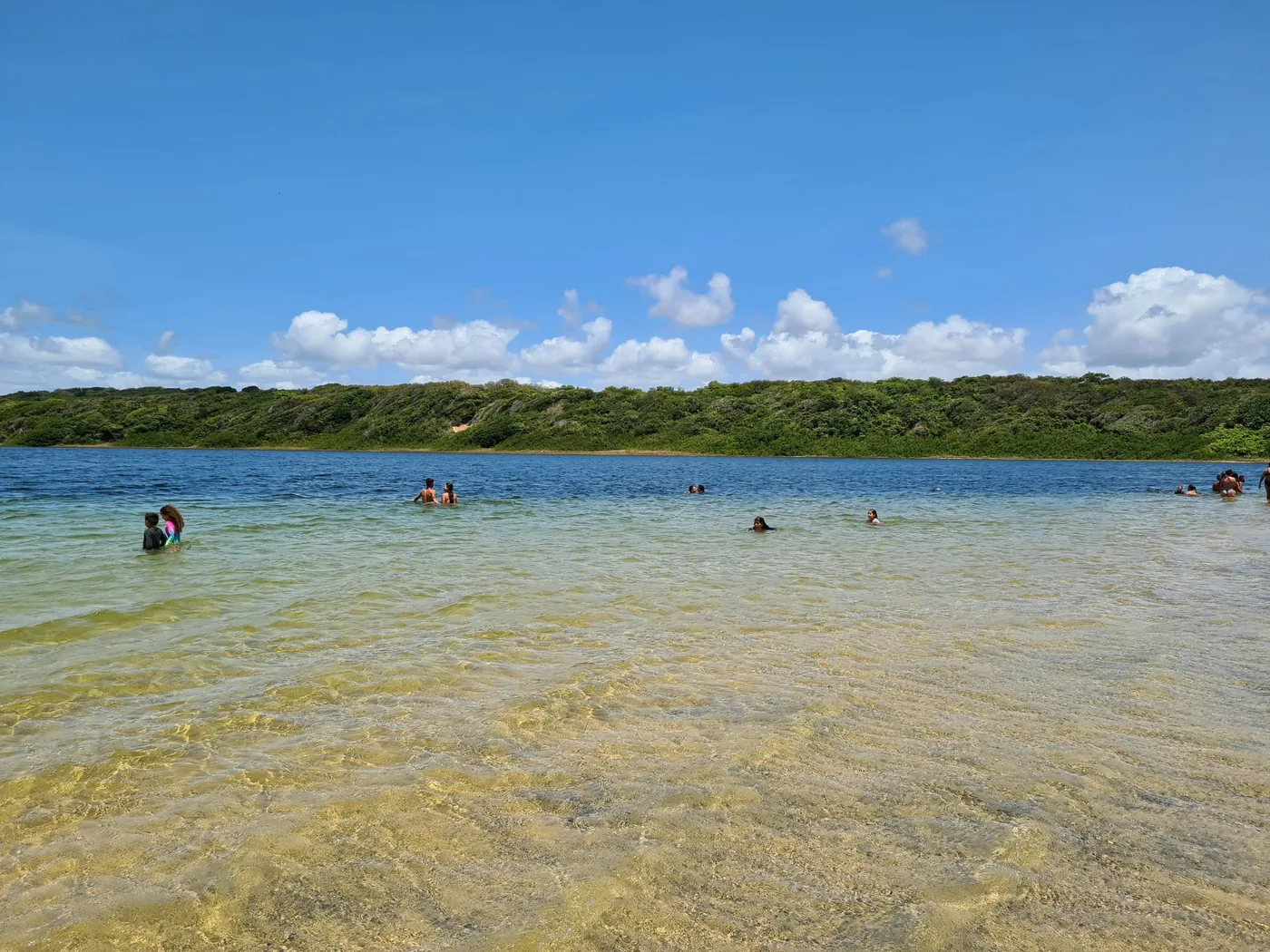
Descubra as mais de 20 lagoas, praias de águas mornas, rica gastronomia e história no litoral sul potiguar.
Dialogue with European Philosophers & Her Final Resting Place
Nísia lived in Paris, Rome and London, maintaining intellectual dialogues with French philosopher Auguste Comte. In 1954, her remains were repatriated from France to her hometown, where her solemn marble mausoleum welcomes international scholars and cultural visitors today.
Perguntas Frequentes
Can tourists visit Nísia Floresta's mausoleum?
Yes, the mausoleum is located in the central district of Nísia Floresta and is open for public visits.
Are her original books available in English or French translations?
Several of her key works, including 'Opúsculo Humanitário' and travel journals, have been translated into French, Italian and English by university presses.